
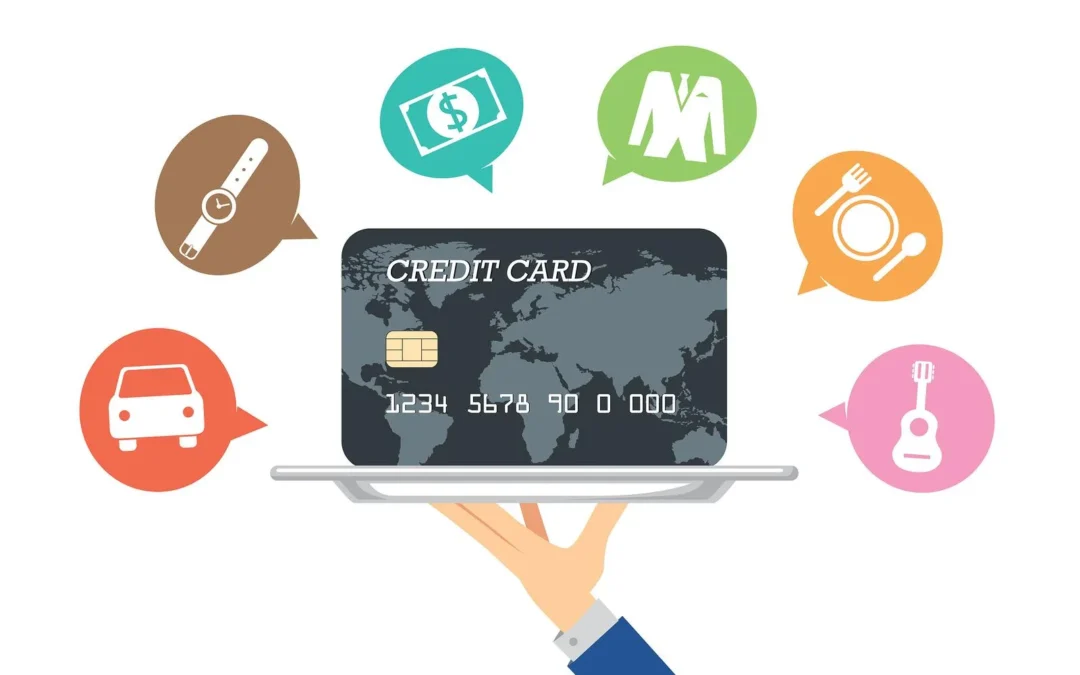
Credit card marketing refers to the strategic promotion and positioning of credit card products to both potential and existing customers. Credit cards are unique among financial products because they are often the one item customers carry with them daily, giving banks and credit unions a continual touchpoint to build engagement and loyalty. This constant presence provides a significant opportunity for financial institutions to highlight their card’s value and reinforce their brand.
At its core, credit card marketing involves more than just acquiring new customers; it’s about nurturing long-term relationships, enhancing engagement, and fostering loyalty through targeted promotions, personalized offers, and consistent value delivery. It requires a deep understanding of customer behavior, market trends, and regulatory requirements to craft compelling messaging that connects with various audience segments.
Key objectives of credit card marketing
- Customer Acquisition: Attracting new customers through a variety of tactics such as digital advertising, direct mail, partnerships, and exclusive promotions. Successful acquisition strategies focus on identifying the right customer segments and delivering tailored offers that meet their specific needs.
- Customer Activation: Activation focuses on encouraging new customers to start using their cards immediately after acquisition. Effective activation strategies include welcome bonuses, initial spending rewards, and clear communications that motivate first-time use, establishing early habits that drive ongoing card usage.
- Customer Retention: Retaining existing customers is crucial for sustained growth. Retention efforts often include personalized communications, robust loyalty programs, and special offers designed to encourage ongoing card use and minimize attrition.
- Customer Engagement: Beyond acquisition and retention, building deeper customer Key elements of a successful credit card marketing strategy
Key elements of a successful credit card marketing strategy
A successful credit card marketing strategy requires a deep understanding of our audience, effective differentiation of our product, compelling messaging, and a multichannel approach that reaches your target customers where they are most likely to engage. Below are the key elements to consider :-
Understanding our target audience :- To build a winning credit card marketing strategy, it’s essential to understand how to effectively segment credit card customers by using data analytics, market research, and customer surveys. Segmenting our customers based on demographics, spending behaviors, and preferences allows us to tailor our marketing campaigns and product offerings more precisely to each group.
- Customer segmentation :- Identify different consumer profiles, such as “travel enthusiasts,” “cashback seekers,” or “students building credit,” to design credit card offers that meet their unique needs.
- Persona development :- To maximize the effectiveness of our credit card marketing, develop a single, detailed persona for each of our card products. This persona should represent our ideal customer for that specific card, complete with a name like “Hi Rahul” or “Hi Ranjana” to humanize the marketing process. This approach allows our team to design all marketing and communications as if they are speaking directly to that person, ensuring consistency and relevance. Creating a distinct persona helps align all aspects of our strategy, from messaging to channel selection, and enables our team to maintain a focused and personalized approach.
Product positioning and differentiation :- In a crowded market, understanding strategies for positioning credit cards in a competitive market is crucial. Differentiation can be achieved through unique features, such as cashback rewards, travel benefits, zero foreign transaction fees, or competitive interest rates. Your Unique Selling Proposition (USP) should make our credit card the preferred choice for our target customers.
- Unique selling proposition (USP) :- Clearly define not only what sets our credit card apart from competitors — such as offering the best travel perks or the lowest APR — but also what specific need(s) we are addressing for our target persona. Remember, differentiation doesn’t always require complete uniqueness. If we have a loyal customer base, focus on our point of view (POV) regarding the value we provide based on our target persona’s needs. For example, if our persona is a frequent traveler like “Rahul,” emphasize how our card offers rewards that align with Rahul’s travel habits and preferences, even if similar features exist elsewhere.
- Competitive analysis :- Conducting a regular review of our competitor’s offerings is a critical step helping us differentiate our credit card. This analysis should be refreshed on an annual basis, and should be paired with an analysis on our own product’s performance.
Creating compelling messaging and offer :- Develop promotional offers that resonate with the specific needs and pain points of your target segments. For example, offering a high welcome bonus or 0% introductory APR could be ideal for customers seeking immediate value.
- Promotional offers :- Design offers that appeal to different segments (e.g., cashback for everyday spending, reward points for travel, or low introductory APR for balance transfers).
- Content strategy :- Craft a content strategy that addresses your audience’s pain points, aspirations, and interests.
Choosing the right marketing channels :- A strong credit card marketing strategy involves using multichannel marketing strategies for credit card campaigns to reach our target audience effectively. Different channels may resonate with different customer segments, so it’s crucial to choose those where our target audience is most active.
- Direct marketing channels :- Implement direct mail and email to directly engage with our customers.
- Digital marketing channels :- Leverage SEO (search engine optimization), content marketing, PPC (pay per click) advertising, and social media to connect with digital-savvy customers.
- Traditional marketing channels :- Utilize TV and radio to reach specific demographics or local markets.
- Partnerships :- Consider co-branded credit cards and affiliate marketing partnerships to expand our reach and drive acquisitions.
Credit card acquisition strategies :- Acquiring new customers is the lifeblood of any successful credit card marketing strategy. To do this effectively, it’s essential to leverage a combination of digital marketing tactics, traditional marketing methods, and partnership opportunities. Each approach allows us to reach different customer segments and attract them to our card offerings in ways that resonate with their unique preferences and behaviors.
Digital marketing tactics :- Digital marketing is a vital tool for credit card acquisition, enabling us to connect with potential customers where they spend much of their time: online. Effective digital strategies use a mix of SEO, content marketing, PPC advertising, and social media to engage prospective cardholders.
- SEO best practices:- Optimize your website and content for high-intent keywords like “best travel credit cards 2027” or “credit cards with low-interest rates” or “ get lounge access on your credit cards” to attract organic traffic from customers actively searching for a new credit card. Regularly update our content with blogs, guides, and comparison tools to rank higher in search results.
- Content marketing :- Create valuable, educational content that addresses common pain points or questions potential customers might have, such as “how to choose the best credit card” or “top credit card benefits for travelers.” Content like blog posts, videos, infographics, and interactive tools can help establish our brand as a trusted authority in the industry.
- Email marketing campaigns :- Utilize segmented email lists to deliver personalized messages and offers to different customer groups. For instance, promote a limited-time welcome bonus to customers who have shown interest in credit cards or may limited time period offer of credit limit enhancements for existing cardholders.
- Paid advertising :- Use paid advertising to expand reach beyond our own customers. From banner ads to creative designed to be used on social media platforms, it’s important to create tailored ads to target specific customer segments. When building our ads, don’t forget to use your personas to help you ensure your messaging and creative will engage with “Rahul” or “Ranjana.”
Traditional marketing tactics :- Despite the rise of digital channels, traditional marketing methods remain powerful tools for reaching specific customer demographics and leveraging in-person interactions. By combining in-branch activations, call center opportunities, and direct mail campaigns, we can create a robust, multichannel strategy that effectively drives credit card acquisition.
- In-branch activation :- Even in the digital age, in-branch activations are a highly effective method for engaging customers. When customers visit a branch, bank employees can identify their needs and recommend relevant credit card products. This direct, face-to-face interaction allows for a personalized sales experience, increasing the likelihood of customer acceptance. The key here is to ensure the branch associates have the training and resources to help them make appropriate recommendations.
- Call centers :- Call centers are often overlooked in credit card acquisition strategies, yet they provide a valuable opportunity to engage with customers in real-time. By training customer service representatives to recognize potential needs, they can proactively offer relevant credit card products. For example, if a customer mentions an upcoming move, it might be the perfect time to offer a low APR credit card to help manage upcoming expenses. This approach not only enhances the quality of service but also helps address customer needs more comprehensively.
Bringing it all together: integrated campaigns :- An effective credit card acquisition strategy uses a blend of digital and traditional channels to create a seamless experience for potential customers. By integrating these elements, we can ensure consistent messaging across all touchpoints and maximize each channel’s unique strengths. For example, a campaign might begin with an influencer promoting a card on social media, followed by a targeted direct mail piece, and then a follow-up call center offer to answer questions and close the deal. This multichannel approach not only increases visibility and engagement but also reinforces our message, ultimately leading to higher acquisition and retention rates.
Creating a card design that resonates
An effective card design is not just about visuals; it’s about creating a tangible representation of our brand’s value and the benefits offered to cardholders. In a competitive market, where customers are inundated with choices, the best credit card designs stand out both visually and physically, and can create a lasting impression, enhance brand loyalty, and drive engagement.
Consider when American Express converted their Platinum cards from plastic to metal — this change transformed the physical experience of the card, taking it to a whole new level. The weight and feel of the metal card made people stop and literally think, “This card is different.” This is a powerful example of how thoughtful design can do more than just look good — it can evoke emotion, convey prestige, and elevate the customer experience in ways that go beyond the aesthetic. Here are some key considerations to help ensure our card design resonates with our customers.
- Align design with brand identity and customer preferences :- The design of our credit card should align with both your brand’s identity and the preferences of our target audience. This approach not only strengthened brand affinity but also increases card usage and customer engagement.
- Incorporate unique visual elements :- Unique design features such as vibrant colors, distinctive patterns, or custom illustrations that capture attention at first glance.
- Collaborate closely with your card perso vendor :- These experts can provide valuable insights on what will look best on the card material, ensure the durability of design elements, and help manage production costs. Vendors can advise on the most suitable materials, finishes, and printing techniques to ensure our design maintains its visual appeal over time while staying within budget.
Credit card activation strategies :- Early engagement is critical in credit card marketing. The moment a customer is approved for credit card, is a pivotal opportunity to establish positive habits and encourage regular usage. By influencing behavior early on, we can create a “status quo bias” that makes our credit card the default choice for everyday spending.
Key strategies for driving activation include:
- Immediate onboarding and engagement :- Welcome package and card-has-shipped messaging, emails, incentives for first-time use, and instant digital access to the card. Early engagement is one of the strongest indicators of long-term success for our credit card program. When cardholders frequently engage with their card within the first 90 days, they can offer up to 3x greater long-term customer value. Additionally, cardholders who activate their card within the first 30 days have upto 30% higher spend than those who activate later.
- Guided onboarding communications :- Ensure that our onboarding process starts the moment the card is approved. This should include a series of communications (emails, texts, etc.) introducing the cardholder to their new card, explaining how to activate it, and providing clear next steps to make their first purchase.
- Simplify activation :- Make the activation process easy and offer multiple methods.
- Types of Transactions :- POS, ECOM, Cash Withdrawal, Credit card on UPI, CC on UPI auto mandates, Balance transfers, Loan on Credit card, EMI etc.. with number of different and easy modes of repayments.
- Incentivize early engagement :- Reinforce reasons to activate and start using the card. Offer rewards for early usage, such as cashback bonuses, extra points, etc. These incentives encourage cardholders to use the card early and often, setting the foundation for long-term engagement. Real time rewards and cashback processing.
- Personalized offers and messaging :- Tailor early communications and offers based on customer data.
- Reinforce benefits :- Use continuous engagement tactics, like gamification and loyalty programs, to remind customers of our card’s unique advantages. Tailor cashbacks and offers messages based on customer profiles or segments. For example, frequent travelers could receive promotions tied to travel rewards, while online shoppers could receive points for e-commerce purchases. Personalized content enhances the credit card customer experience by making cardholders feel that the card is customized to meet their specific needs.
Tracking the right metrics to measure success:- To evaluate the effectiveness of our credit card marketing programs, it’s crucial to monitor key metrics that provide insights into both customer acquisition and retention. These metrics include:
- Customer acquisition costs (CAC) :- Helps us measure how cost-effectively we are gaining new customers. Customer Acquisition Cost (CAC) is calculated by dividing the total sales and marketing expenses over a specific period by the total number of new customers acquired during that same timeframe.
- Customer lifetime value (CLV) / Lifetime value (LTV) :- Indicates the long-term value a customer brings, helping us prioritize strategies that enhance retention. Customer Lifetime Value (CLV or LTV) measures the total revenue or profit a business can expect from a single customer throughout their relationship. The basic formula is CLV = Average Purchase Value × Average Purchase Frequency Rate × Average Customer Lifespan. This helps businesses determine how much to spend on acquiring new customers. ( APV = total revenue over set time frame / total value of purchases over the same time frame) , (APFR = value of purchases over the same time frame / total number of customers during that same period) , (ACL = Average number of years a customer stays active / Total number if customers).
- Activation rate and retention rate :- Measure how many customers start using their card quickly and how many continue to use it over time, indicating engagement and loyalty. Activation rate measures the percentage of new users who reach a specific “value moment” within a set timeframe, while retention rate measures the percentage of users who continue to use the product over time. (Activation Rate: Users who Completed Activation Event / Total New Users}* 100), Retention Rate: {Users at End of Period – New Users Acquired} / Users at Start of Period} * 100).
- Net promoter score (NPS) :- Gauges customer satisfaction and their likelihood to recommend your card to others. Formula: {Number of Promoters}\{Total Responses} * 100 – {{Number of Detractors} \ {Total Responses}} *100.
- Promoters (Score 9-10): Loyal enthusiasts likely to recommend your service.
- Passives (Score 7-8): Satisfied but unenthusiastic customers.
- Detractors (Score 0-6): Unhappy customers who can damage your brand.
- Marketing-related metrics :- Monitor metrics such as response rates to marketing campaigns and Return on Marketing Investment (ROMI) to assess the effectiveness of your marketing efforts and optimize future strategies.
- Average transaction value (ATV) :- The average transaction value (ATV) is the average amount spent per transaction. This metric helps you assess the spending patterns of your customers.
Co-Branded Credit Cards (CBCCs) :-
A co-branded credit card is a partnership between a financial institution (bank) and a specific retailer, airline, hotel, or service provider, featuring both logos on the card. They offer specialized rewards, discounts, and exclusive perks to boost brand loyalty, while functioning as a standard credit card elsewhere. India’s credit card market has more than doubled over the past five years, crossing 111 million cards by mid-2025. Yet penetration remains low, at fewer than 8 cards per 100 people, and traditional bank-issued cards with generic rewards are losing their appeal. Growth will increasingly come from embedding credit inside ecosystems where customers already live, shop, and transact. This is why co-branded credit cards (CBCCs) have become the fastest-growing segment of the market. They already make up 17% of cards in circulation, contribute 18% of spends, and are projected to reach 25% of the base and nearly triple issuer revenues by FY 2028. CBCCs reduce acquisition costs, drive higher activation rates, and stimulate greater spending compared to generic cards.
Co-brands that began with airline, fuel, and retail tie-ups are now mainstream growth engines. Digital-first ecosystems like Amazon–ICICI (>5M cards), Flipkart–Axis (>3.5M), and Tata Neu–HDFC (>2M) demonstrate how deeply they resonate with Indian consumers. Co-branded credit cards (CBCCs) stand out as one of the most compelling growth models in the credit card landscape. CBCCs deliver faster profitability due to lower customer acquisition costs (CAC) and higher spend per cardholder. They succeed because they align issuer incentives with those of the partner, creating shared wins at every stage. Each outcome delivers measurable gains for both sides, making the model both sustainable and scalable.
To unlock their true potential, we must reimagine co-branding as an ecosystem-native model built on modern, flexible technology, one that reduces effort, embeds compliance, and enables continuous innovation.
Benefits of co-branding partnership :-
- Low cost of customer acquisition – Can access a plethora of new customer segments at a relatively low cost by tapping the merchant’s database.
- Increased Customer Spends / activation – can achieve incremental activation rates on cards by activating dormant or inactive customers.
- Realising the potential of untapped market – can achieve a better activation rate than conventional card programmes by targeting multi-outlet merchants across fast-moving consumer goods (FMCGs), apparel and electronics categories (owing to the high volumes and spends observed across these merchants).
- Increased brand visibility – can use merchant outlets to promote co-branded card offerings and associated benefits.